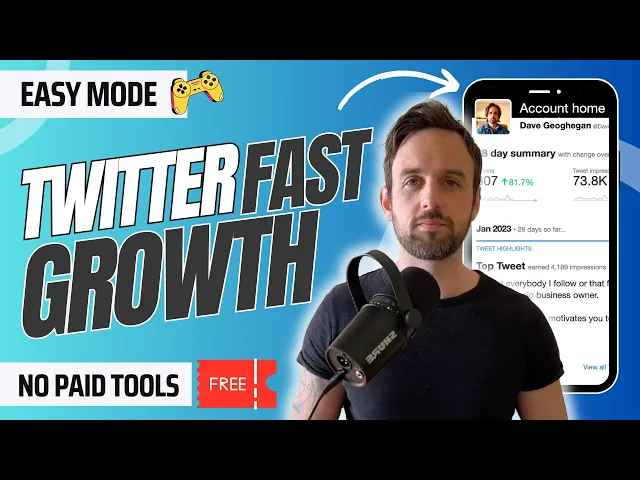
Low Engagement on Twitter? 5 Quick Fixes That Work
Social Media Strategy
Boost your Twitter engagement with five effective strategies, from timing your posts to starting real conversations with your audience.

Struggling with low engagement on Twitter? You’re not alone, but the good news is you don’t need a complete overhaul to see improvement. Here are five simple ways to boost your engagement:
Post at the right time: Use Twitter Analytics to identify when your audience is most active and schedule tweets accordingly. Timing matters for visibility.
Improve your tweet content: Share posts that inform, entertain, or spark action. Use questions, personal stories, or actionable tips to connect with your audience.
Use trending hashtags wisely: Stick to 1-2 relevant hashtags to join active discussions and boost visibility without overwhelming your message.
Leverage engagement tools: Tools like GrowX can help with scheduling, content creation, and AI-powered replies to save time and improve interaction.
Start real conversations: Reply to comments, ask open-ended questions, and join discussions in your niche to build stronger connections.
Pick one strategy to start with, test its impact, and build from there. Small tweaks can lead to noticeable results.
Twitter Marketing 2025: How to Grow on Twitter Fast (NO PAID TOOLS)
1. Time Your Posts Better
Even the most clever tweet can fall flat if it’s shared at the wrong time. Twitter moves fast, with new content constantly pushing older posts out of sight. That’s why timing is everything.
Take a closer look at when your audience is most active - whether it’s early in the morning, during lunch breaks, or in the evening. Pay attention to the type of content you’re sharing, too. For example, professional tips might resonate more during the workweek, while fun or lifestyle-focused posts could thrive on weekends. If your followers are spread across multiple time zones, be sure to factor that in as well.
Why Timing Matters
Posting at the right time increases your chances of being seen and interacted with. When your tweets align with peak activity periods, they’re more likely to gain traction and catch the attention of Twitter’s algorithm.
How to Get Started
Twitter Analytics is a great tool to figure out when your followers are most active. Monitor your tweet performance over several days to zero in on the best posting times.
What You Can Do
Experiment with different times and analyze your results. Keep an eye on key metrics like likes, retweets, and replies. Use this data to fine-tune your schedule. Instead of relying on general advice, focus on what works best for your specific audience. This tailored approach can make a big difference in boosting your engagement.
Once you’ve nailed the timing, the next step is to refine your tweet content to keep the momentum going.
2. Improve Your Tweet Content
Your tweet content is the engine behind engagement. If your tweets lack clarity or value, they’ll likely be ignored - no matter when you post. The secret to going from unnoticed to viral often lies in how well your message is crafted and the value it provides.
Think about what grabs your attention as you scroll. Chances are, your followers are looking for the same - content that informs, entertains, or adds value to their day. Your job? Create tweets that deliver exactly that while encouraging interaction.
Impact on Engagement
Well-thought-out tweets naturally generate more engagement. Asking questions invites replies, while actionable tips encourage sharing. Adding visuals? That’s a sure way to make your content pop in a crowded feed.
The key is understanding your audience. For professional followers, industry insights or data-driven observations hit the mark. On the other hand, casual readers might prefer personal stories, humor, or a behind-the-scenes look at your life.
Practical Tips to Take Action
Start by analyzing your recent tweets. Look for patterns - what’s working, and what isn’t? Pay attention to how you structure your messages. Are you asking questions to spark conversations? Are you sharing personal anecdotes or offering clear takeaways?
Every tweet should have a purpose: to inform, entertain, or spark action. Hook your readers right away with an engaging opening line that grabs attention in the first few words.
Even in a short tweet, storytelling can make a big difference. Share a quick lesson you’ve learned, explain your reasoning behind a decision, or celebrate a small win. These elements make your content more relatable and memorable.
Make It Easy to Execute
Use an active voice to keep your tweets sharp and engaging. Swap out vague adjectives for specific, descriptive language that paints a vivid picture.
To streamline your process, create templates for different types of tweets. For example:
Tips: "Here’s what I learned about [topic] that made all the difference: [insight]."
Questions: "Quick question for [target audience]: What’s your biggest challenge with [relevant topic]?"
Experiment with various formats throughout the week. Post original insights, curated content with your commentary, thought-provoking questions, or behind-the-scenes updates. Monitor what resonates most with your audience and refine your approach as you go.
Once you’ve nailed down compelling content, you’ll be ready to tap into trending topics to amplify your reach.
3. Use Trending Hashtags
Once you've polished your tweet content, incorporating trending hashtags can significantly extend your reach. These hashtags plug your tweets into active, ongoing discussions, making it easier for your audience to find and engage with your content. The trick is to identify hashtags that align with your brand’s voice and message. This isn’t about jumping on every popular trend - it’s about being smart and intentional, placing your content where it resonates most.
Impact on Engagement
The stats are clear: tweets with 1-2 hashtags see a 55% boost in engagement compared to those with none or too many. By sticking to 1-2 well-chosen hashtags, you can connect your message to relevant conversations without overwhelming your audience.
"Using hashtags thoughtfully can turn passive scrolling into active brand engagement." - Sprout Social
By participating in real-time discussions - especially during live events or trending topics - you naturally increase your visibility. When people are actively searching for and engaging with these topics, your timely and relevant tweets are more likely to be noticed, shared, and liked.
This engagement potential makes hashtags an easy yet powerful tool for amplifying your content.
Ease of Implementation
Getting started with trending hashtags is simpler than you might think. Head to Twitter’s Explore tab to see what’s trending and why. You can also use social listening tools to identify trending topics that align with your niche.
"Prioritize relevance over volume; using hashtags directly related to your content is crucial." - Social Media Examiner
When using hashtags, integrate them naturally into your tweet instead of tacking them on at the end. This keeps your message smooth and avoids the spammy vibe that can turn readers off. For instance, instead of ending with "#MondayMotivation #Success", try weaving it into your sentence: "Kicking off this #MondayMotivation with a reminder that small wins lead to big success."
Actionable Tips
To make the most of trending hashtags, be strategic. Combine broad trending hashtags with niche-specific ones to attract both a general audience and your core followers. For example, if #SmallBusiness is trending and you're sharing entrepreneurship tips, pair it with a more focused tag like #StartupLife.
A few things to keep in mind:
Avoid irrelevant or banned hashtags. Jumping on a trend that doesn’t align with your brand - or worse, using a flagged hashtag - can hurt your credibility and limit your post’s reach.
Do your homework. Before using a trending hashtag, check its context to ensure it fits your message. This step helps you avoid missteps and keeps your participation authentic.
Update your strategy regularly. Trends change quickly, and what worked last month might not work today. Monitor hashtag performance, track which ones drive the most engagement, and tweak your approach based on what’s effective.
4. Use Tools That Boost Engagement
Once you've nailed down the best times to post and crafted engaging tweet content, the next logical step is to simplify your workflow with tools designed to enhance engagement. While manual strategies can be effective, leveraging the right tools can save time, provide deeper insights, and create opportunities for more impactful interactions.
Why Engagement Tools Matter
Tools like automated scheduling, AI-driven reply suggestions, and community-focused platforms can significantly improve your Twitter performance. They not only streamline repetitive tasks but also help foster meaningful connections with your audience.
Community engagement tools are especially powerful due to their collaborative nature. Participating in supportive networks or engagement pods often leads to better interaction rates compared to relying solely on organic reach. These tools encourage a "give and take" approach, where mutual promotion benefits everyone involved.
Analytics tools are equally essential. By analyzing which posts resonate most with your audience, you can refine your strategy to consistently improve engagement. Regular performance reviews ensure you're always moving in the right direction.
Getting Started Is Simple
Most engagement tools are designed with ease of use in mind, featuring intuitive interfaces that quickly guide you through setup.
Take GrowX as an example. This platform combines three key tools into one streamlined experience:
GrowX Community: Connects you with like-minded users for mutual engagement and post promotion, helping you build a supportive network.
GrowX Engage: Offers AI-powered, customizable reply suggestions, enabling you to participate in conversations without spending hours crafting the perfect response.
GrowX Create: Handles content creation by generating posts, designing image signatures, and scheduling everything at optimal times.
With GrowX, you can manage content creation, community engagement, and performance tracking all in one place.
How to Take Action
Start by identifying your biggest engagement challenge. If consistency in posting is your weak spot, scheduling tools can help you maintain a steady presence. If responding to tweets feels time-consuming, AI-powered reply tools can speed up the process while keeping your voice authentic.
To avoid overwhelm, introduce one feature at a time. Focus on a core function - like automated scheduling - before exploring additional capabilities. This gradual approach allows you to see what works best for your needs and ensures a smoother transition into using engagement tools effectively.
5. Start Real Conversations
While tools can help manage interactions, the real magic of Twitter engagement lies in genuine conversations. Twitter isn't just a platform for broadcasting messages - it's a space to connect and build relationships with your audience.
Unfortunately, many users treat it as a one-way street, posting content without engaging further. This approach misses out on Twitter's biggest advantage: fostering meaningful connections. By actively participating in discussions, you’re not just boosting your engagement numbers - you’re creating a community that values your input.
Impact on Engagement
Starting real conversations can have a snowball effect on your engagement. Thoughtful responses to comments, asking follow-up questions, or sharing personal insights inspire others to join in. Instead of your posts being static updates, they become dynamic hubs of discussion. This naturally increases visibility and reach for your content.
Twitter's algorithm favors meaningful interactions. Posts with active reply threads and extended conversations are more likely to appear in users' feeds, giving you an edge in visibility.
Moreover, users are drawn to accounts that feel approachable and human. When people see you actively responding and engaging, they’re more likely to comment and share their own thoughts. This creates a positive feedback loop, turning casual followers into loyal participants in your community.
Actionability
To shift from simply broadcasting to building conversations, start small but stay consistent. Spend 15 minutes daily replying to comments on your posts. Don’t just stop at “thanks” - ask questions, share insights, or provide useful resources tied to the discussion. This keeps the conversation flowing.
Look for opportunities to jump into conversations within your niche. Search for relevant tweets and add thoughtful contributions. When you provide value in someone else’s discussion, you naturally draw attention to your profile and attract new followers.
Engage your audience with conversation starters. Instead of making statements, ask open-ended questions. For example, try phrases like, “What’s your take on…?” or “How do you approach…?” These prompts encourage responses and create natural opportunities for dialogue.
Ease of Implementation
Starting real conversations doesn’t require fancy tools or complex strategies - just a commitment to being present and authentic. You don’t need to spend hours crafting perfect replies. Often, a simple follow-up question or a quick, genuine response is enough to show your audience that you value their input.
Consistency is key. Even small, regular interactions can make a big difference over time. GrowX Engage can simplify this process with AI-powered reply suggestions that help you save time while keeping your responses personal. This tool integrates seamlessly into your routine, making it easier to maintain steady engagement without feeling overwhelmed.
Finally, remember that conversations aren’t limited to your own posts. Regularly comment on industry tweets with thoughtful insights. This not only boosts your visibility but also helps you build connections and attract a wider audience.
Conclusion
Boosting your Twitter engagement doesn’t mean you need to completely revamp your approach. The five strategies we’ve discussed - posting at optimal times, improving tweet quality, using trending hashtags, utilizing engagement tools, and fostering genuine conversations - work because they address the key drivers of interaction on the platform.
These tactics complement one another to create a well-rounded plan. Posting at the right times ensures your audience is there to see your content. Crafting engaging, high-quality tweets gives them a reason to interact, while trending hashtags help extend your reach. Tools like GrowX Engage can simplify your efforts and keep your posting consistent. And starting meaningful conversations can turn passive followers into an active, loyal community. Together, these strategies create a strong foundation for improving your Twitter presence.
Of course, success on Twitter isn’t static - it requires ongoing testing and adjustments. The platform evolves constantly, and strategies that work today might need tweaking tomorrow. As Sam Greenwood, Content and Social Strategist at Lighthouseuk.net, explains:
"social media success is all about testing, learning, and evolving".
To stay ahead, consider A/B testing your tweets. For example, post similar content at different times or in varying formats, then analyze the results to see what performs best. Twitter Analytics is a valuable tool for tracking follower behavior and tweet performance, helping you make informed choices instead of relying on guesswork. As Ocoya Blog emphasizes:
"Continual testing and adaptation will help you stay aligned with your audience's evolving behavior".
Rather than trying to implement all five strategies at once, start small. Focus on one or two areas that address your current challenges. Once you see progress, you can gradually incorporate the other techniques.
Monitor your progress by reviewing your top-performing tweets over time. Look for trends in what your audience responds to most and let those insights shape your future content. Experiment with different formats - text-only, images, videos, polls, or threads - to find what sparks the most engagement.
The key is to take action. Pick one strategy from this guide and begin experimenting with it this week. Small, consistent improvements can lead to big results, and the engagement boost you’re aiming for could be just a few tweaks away.
FAQs
What’s the best way to figure out the ideal times to post on Twitter for my audience?
The ideal times to post on Twitter can shift depending on your audience and industry. A great starting point is to look at when your followers are most active. Tools like Twitter Analytics can help you track engagement trends and pinpoint those peak activity hours.
Typically, weekdays between 9:00 AM and 11:00 AM tend to perform well, with engagement often peaking midweek, especially on Tuesday through Thursday. That said, your audience might follow a different pattern. It’s a smart idea to experiment with various posting times and keep an eye on the results. By testing and tweaking based on your audience’s behavior, you can zero in on the best times to maximize engagement.
What are some trending hashtags I can use to increase my tweet visibility without looking spammy?
To make your tweets more visible, focus on incorporating trending hashtags that align with both your content and target audience. You can find these hashtags by exploring Twitter's Explore tab or using tools like Twitter Analytics. Keep it simple - use just 1-2 relevant hashtags to maintain a clean and professional look.
For instance, if you're discussing a current event, choose hashtags that are directly related to that topic. Or, if you're joining in on popular weekly themes like #MotivationMonday or #ThrowbackThursday, ensure your content fits naturally with the hashtag. This way, your tweets stay genuine while reaching a broader audience.
How can I start meaningful conversations on Twitter to boost engagement?
To spark meaningful conversations on Twitter and ramp up engagement, start by fine-tuning your profile. Choose a profile picture that's easy to recognize, pair it with an eye-catching header image, and write a bio that clearly showcases what makes your brand stand out.
Get to know your audience by digging into their interests, demographics, and online behaviors. Keep an eye on trending hashtags and topics they care about. Share content that grabs attention - think polls, open-ended questions, and visuals like images, GIFs, or videos that invite interaction.
Jump into trending discussions where your brand can offer real value while staying true to your voice. And don’t stop there - make sure to reply to comments on your tweets. This back-and-forth builds connections and shows your audience you’re listening.